


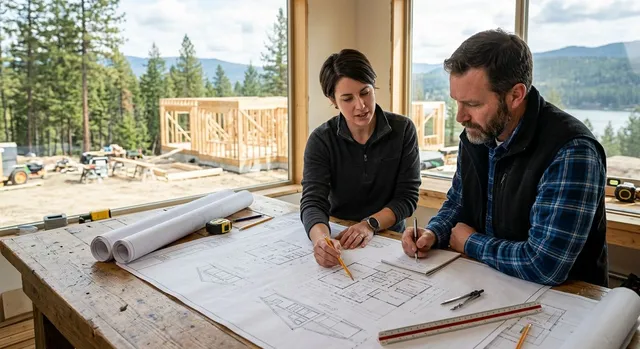
Planning custom home builds in Priest River? Learn what Northern Idaho terrain, climate, and 2026 laws mean for your project before you break ground.
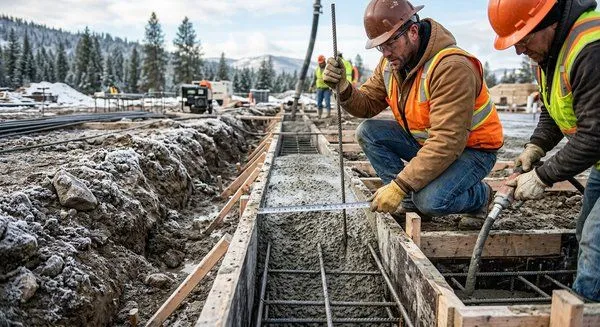
Learn what causes foundation cracks in Priest River, ID, when to seek repairs, and how professional foundation work helps protect your home!
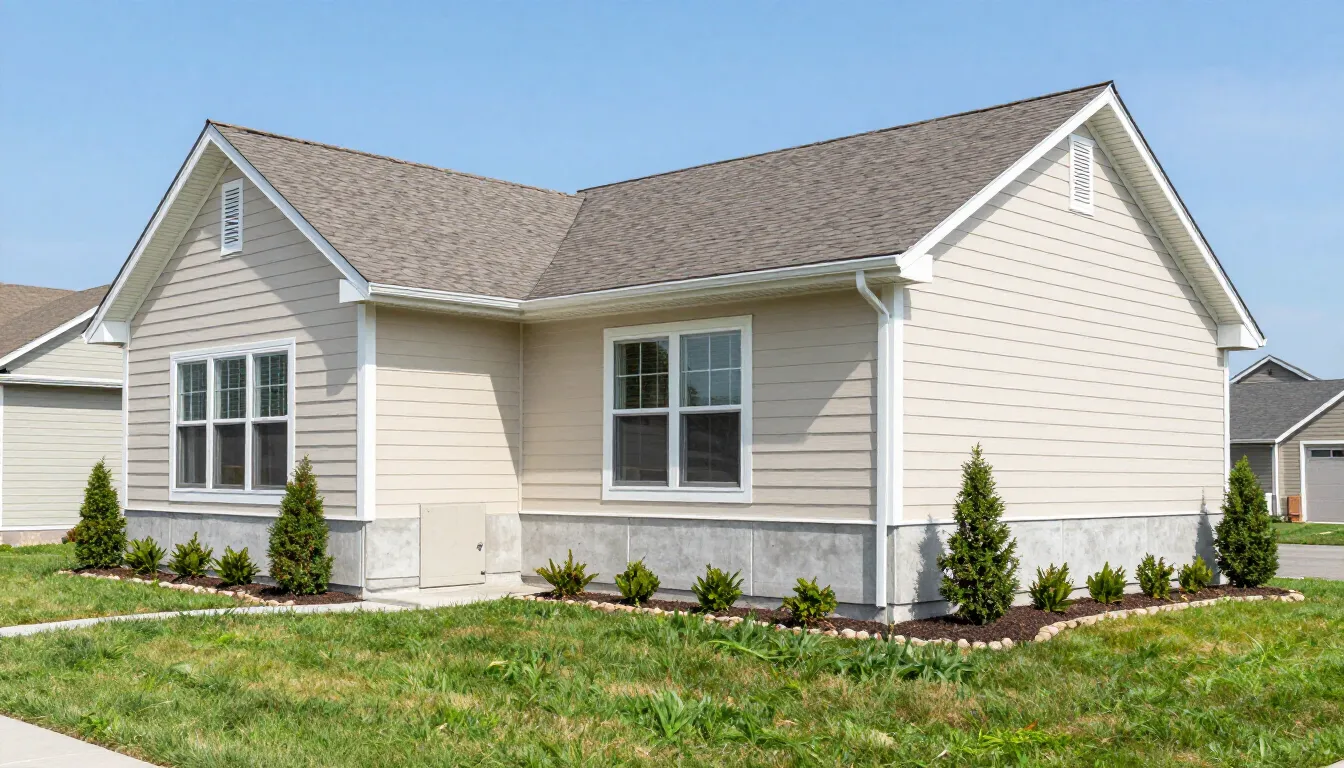
Discover the benefits of building a custom shop structure in Priest River, ID. Learn how a durable shop adds storage, functionality, and long-term property value.
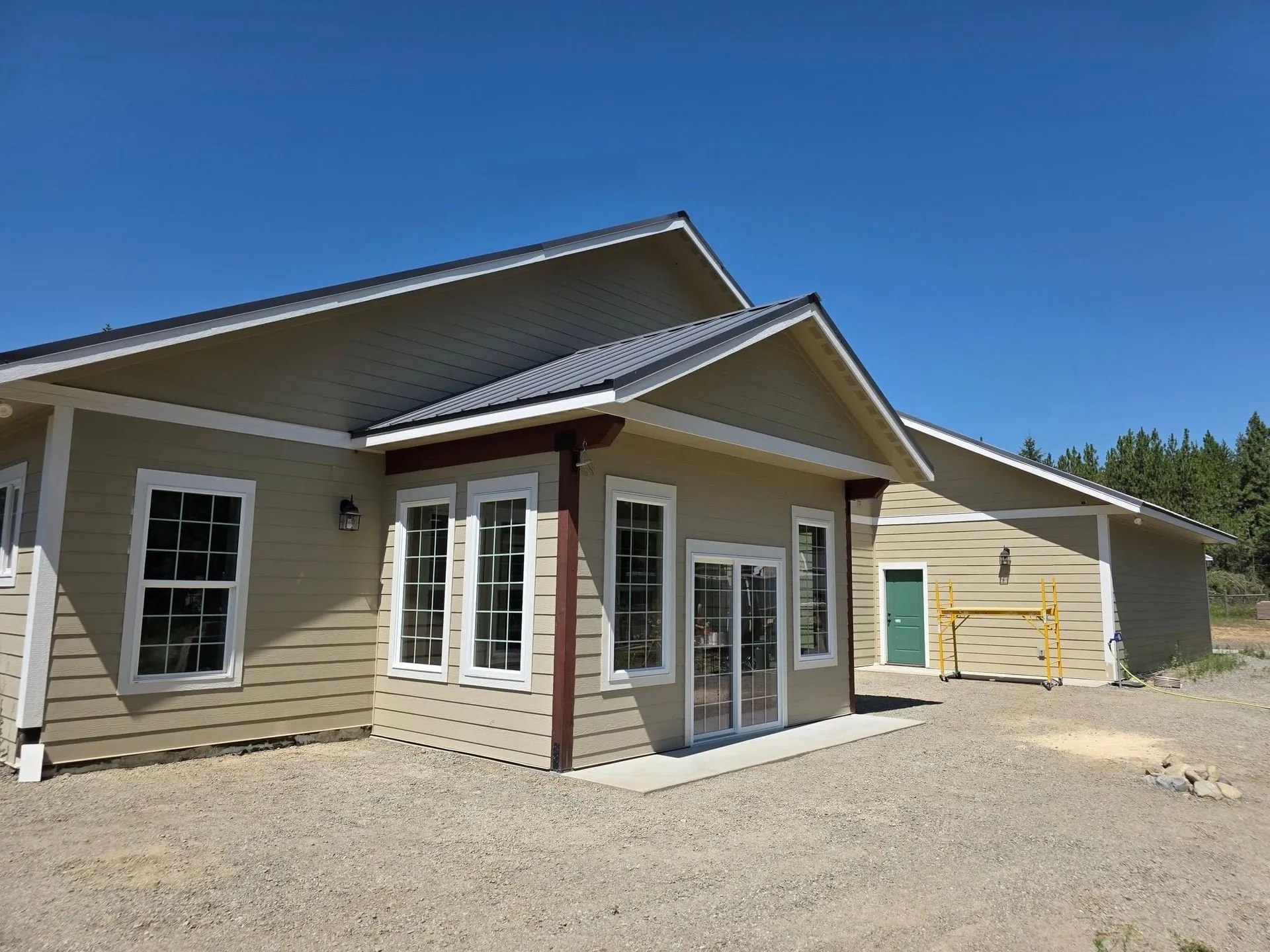
Plan your Priest River home remodeling project with ease. Get expert budgeting tips from Integrity Construction Idaho. Call (208) 255-0464 for a professional quote.
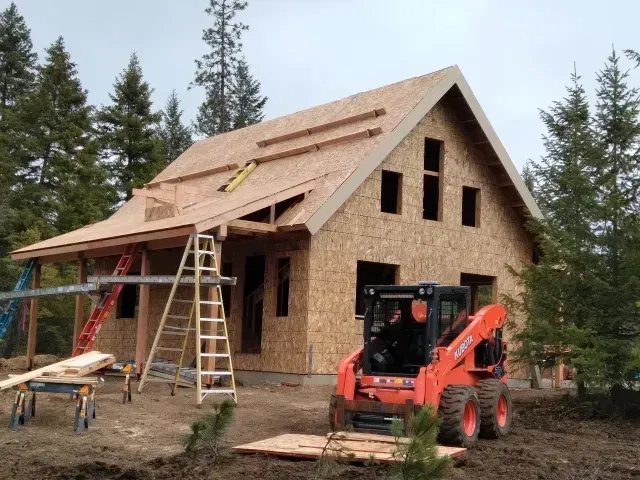
Discover what makes custom home builds unique in Priest River, Idaho, from personalized design to local craftsmanship with Integrity Construction Idaho!
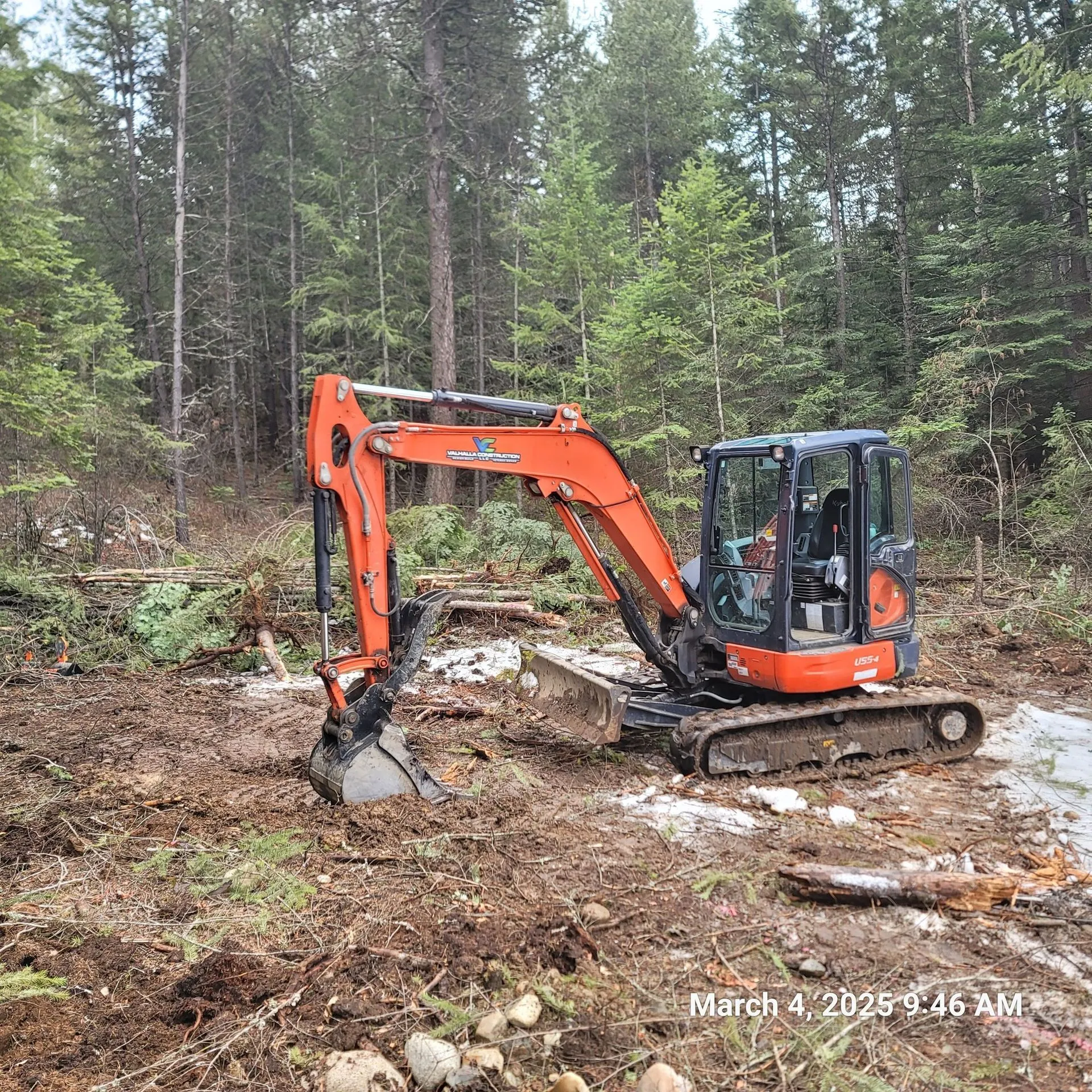
Learn how to prepare your land for a custom home build in Priest River, ID, including land clearing, excavation, and expert land preparation tips!
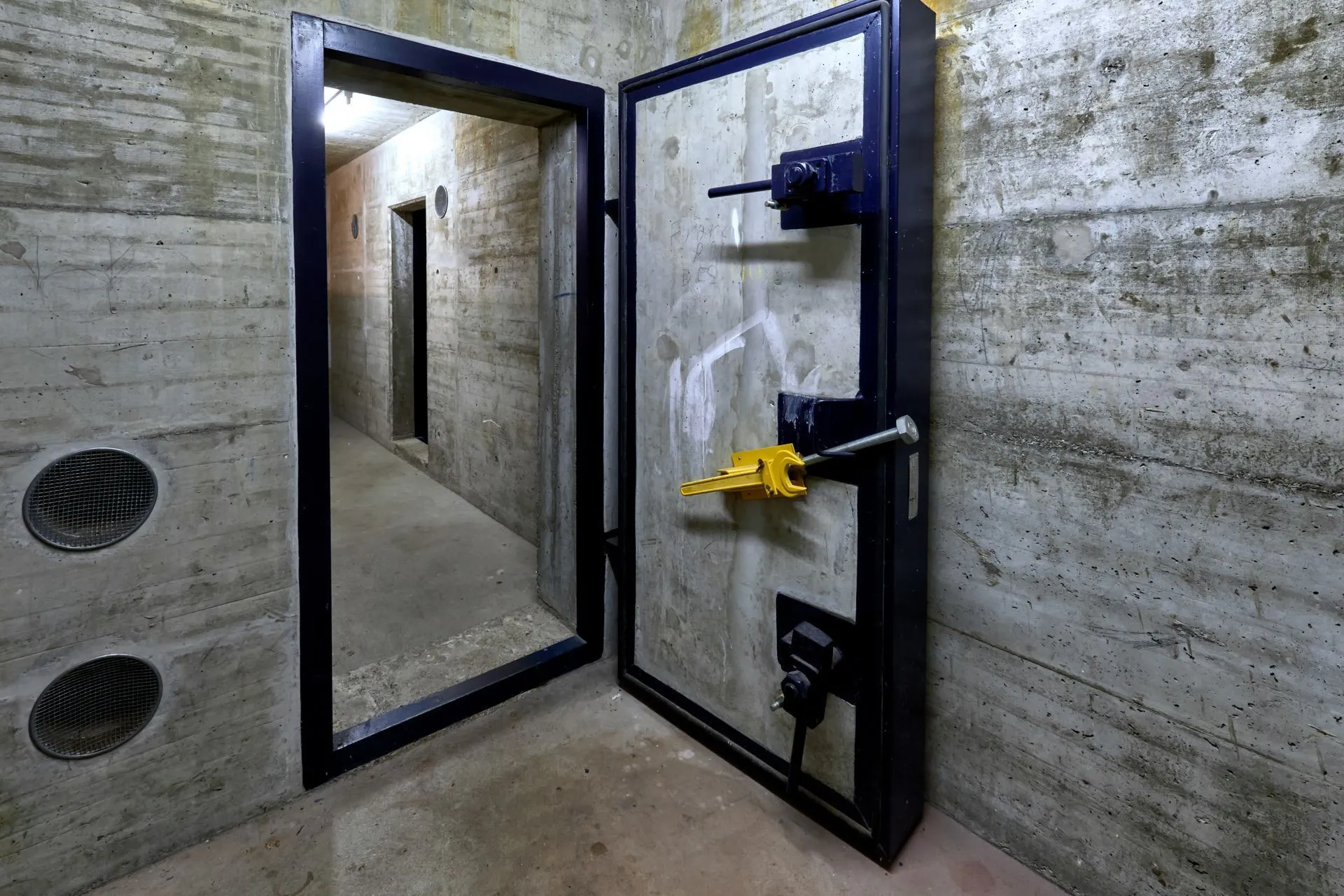
Protect your family with custom fallout shelters in Priest River, ID. Learn why professionally built fallout bunkers in ID offer long-term safety and peace of mind.
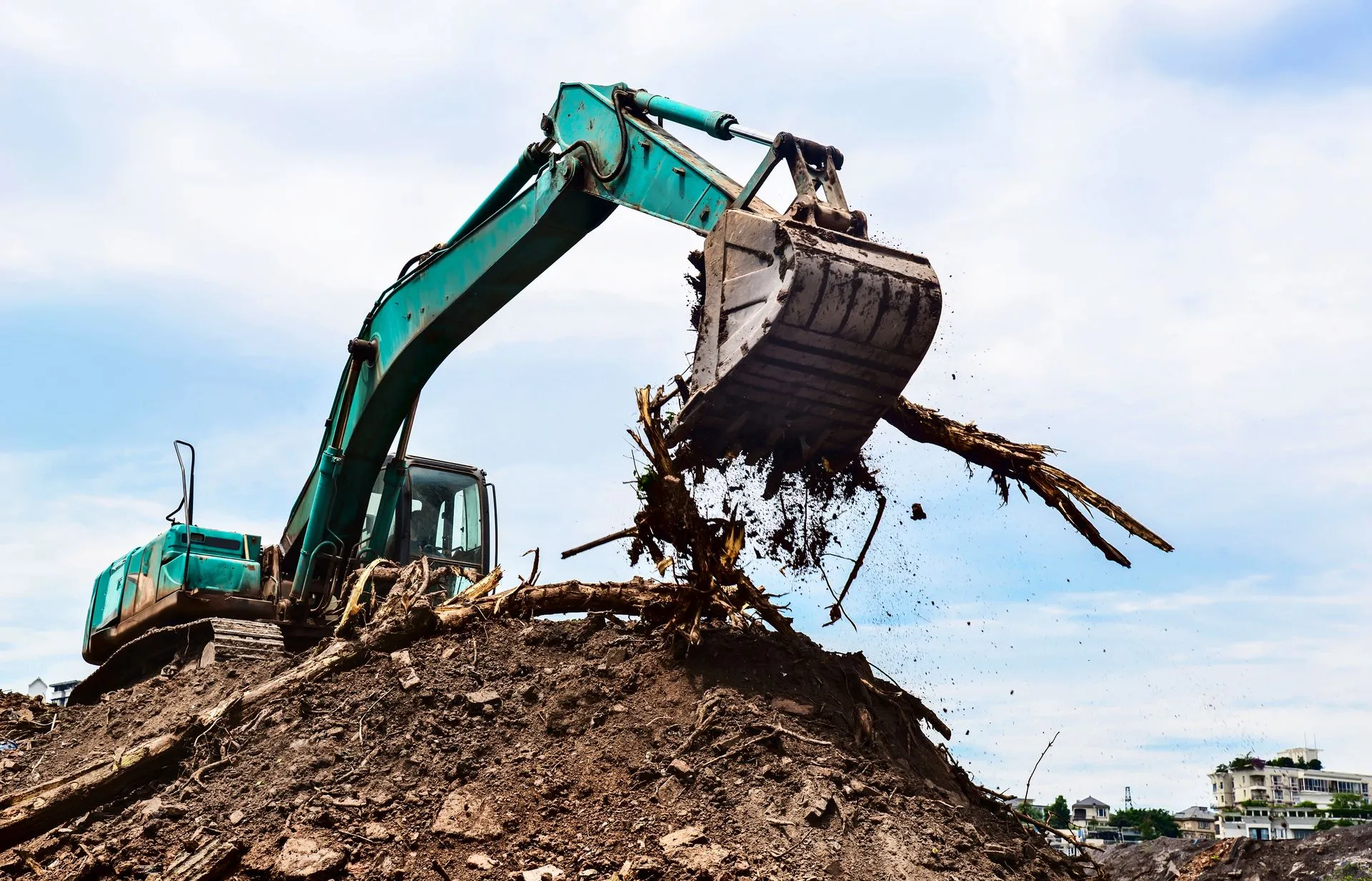
Ensure a strong foundation for your Priest River building project. Discover why professional excavation services in Idaho are essential for lasting results!
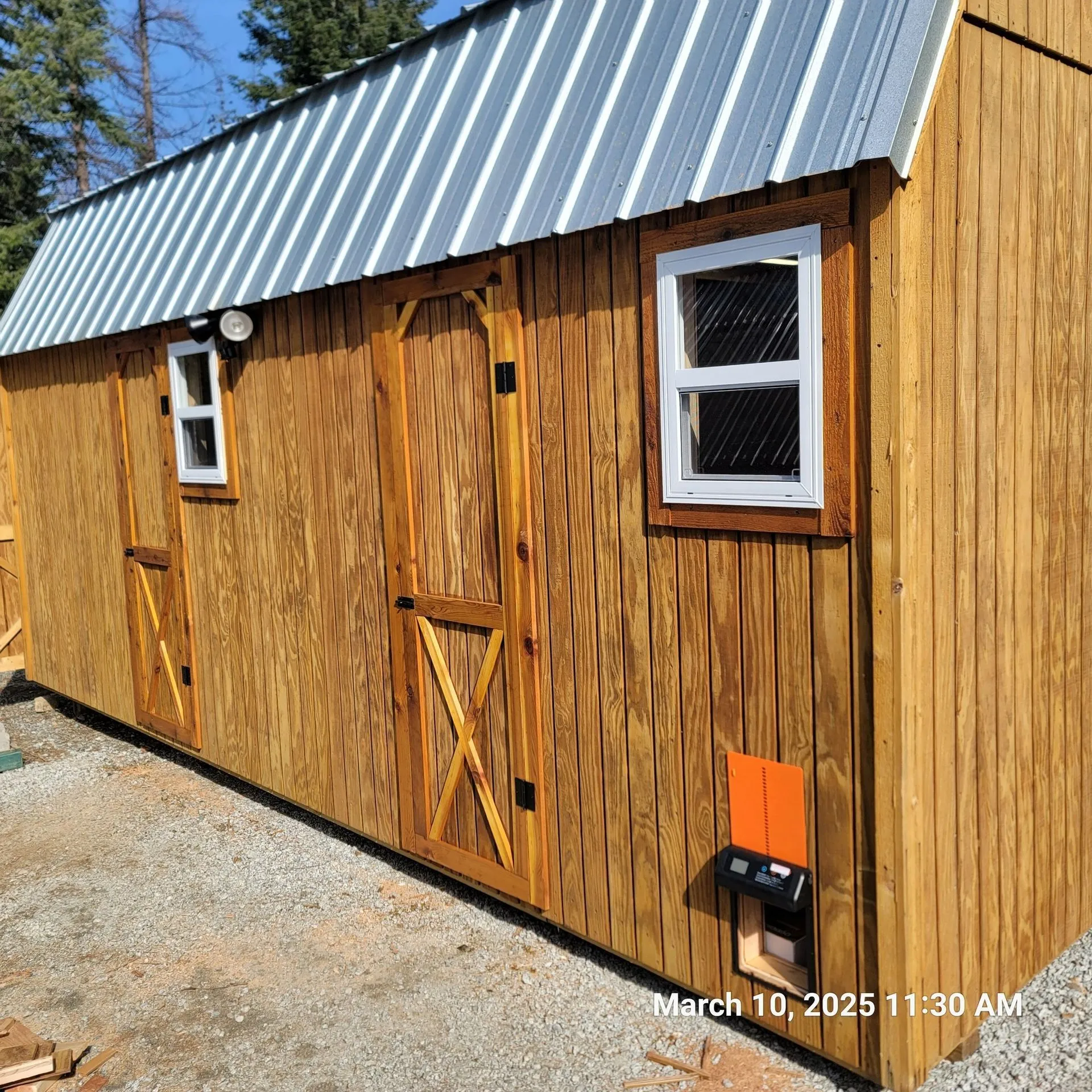
Discover why pole structures are gaining popularity in Priest River, ID. Learn their benefits & durability with Integrity Construction Idaho. Call (208) 255-0464!
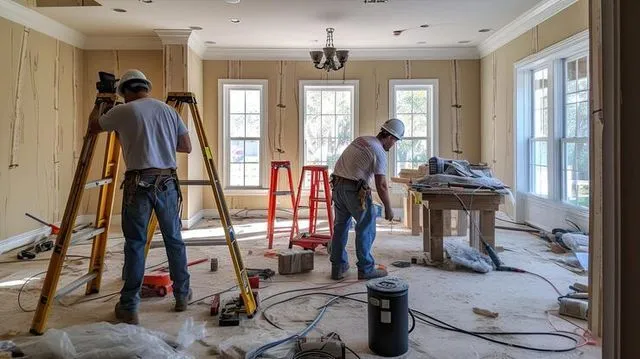
Modernize your older home in Priest River, ID with expert home remodeling by Integrity Construction Idaho. Call (208) 255-0464 for a consultation today.
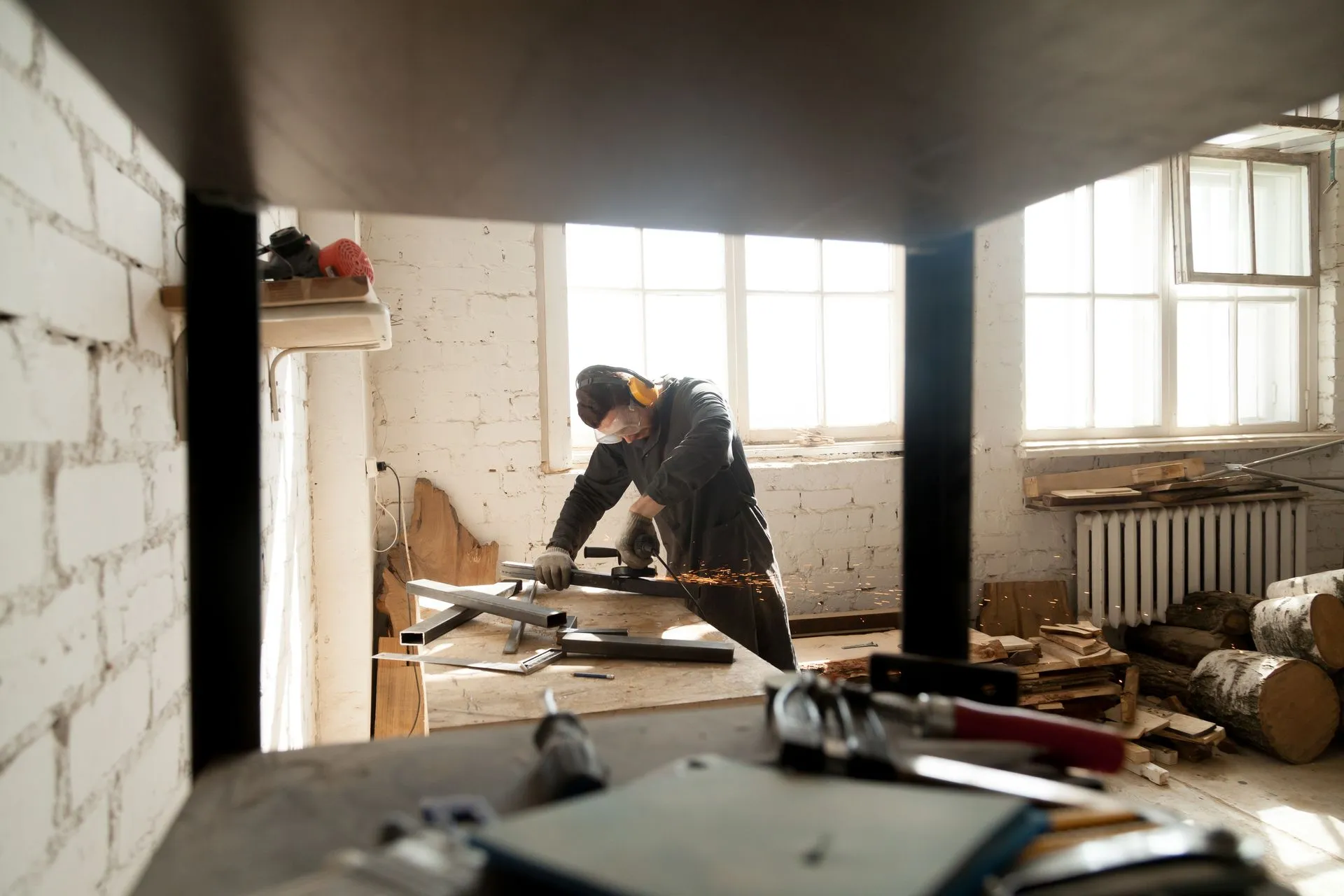
With Integrity Construction Idaho, your dream home remodel in Priest River is within reach. Let us help you turn your vision into a reality that you’ll enjoy!
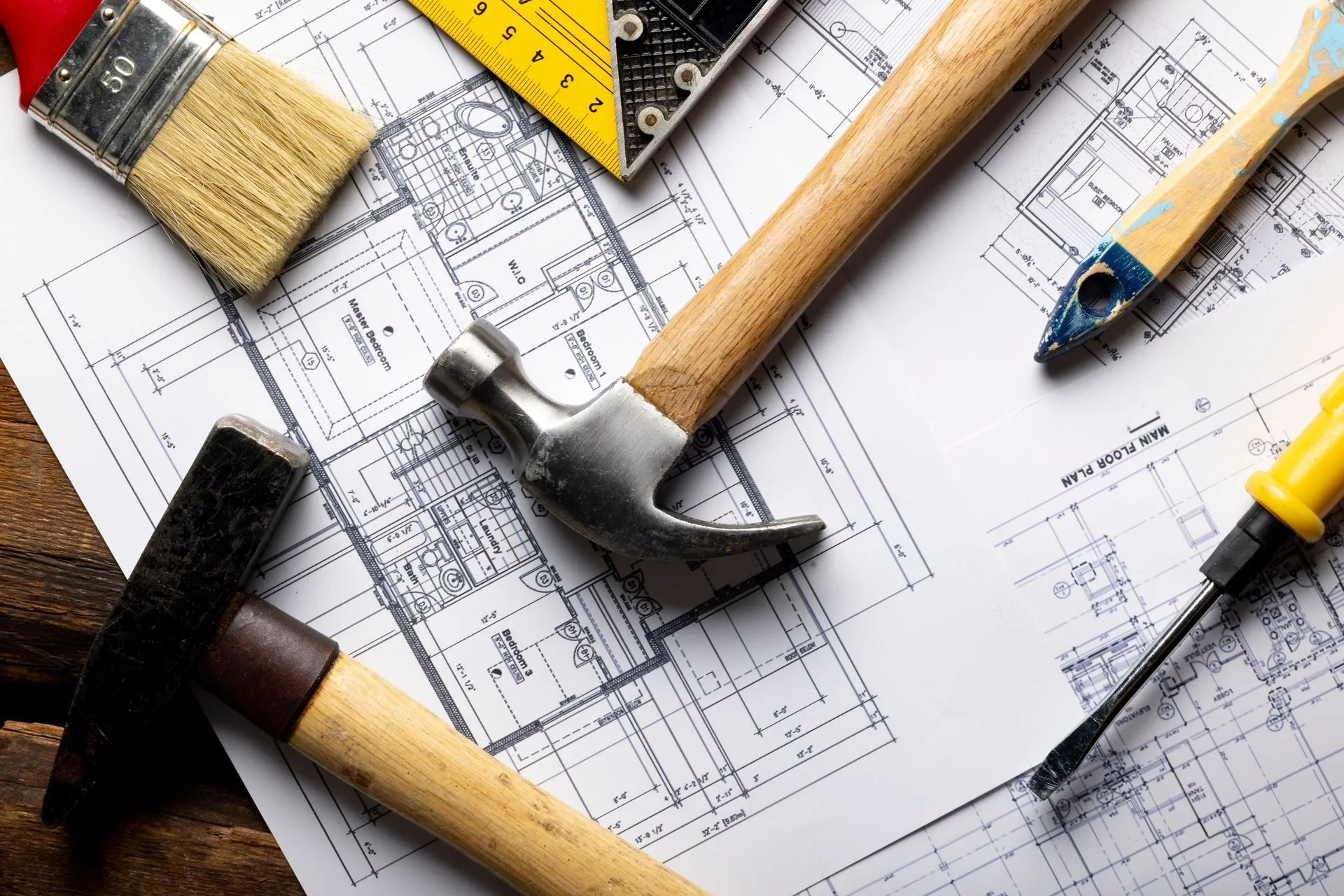
Discover the step-by-step process to build a custom home in Priest River, ID. Integrity Construction Idaho delivers custom home builds and construction services!
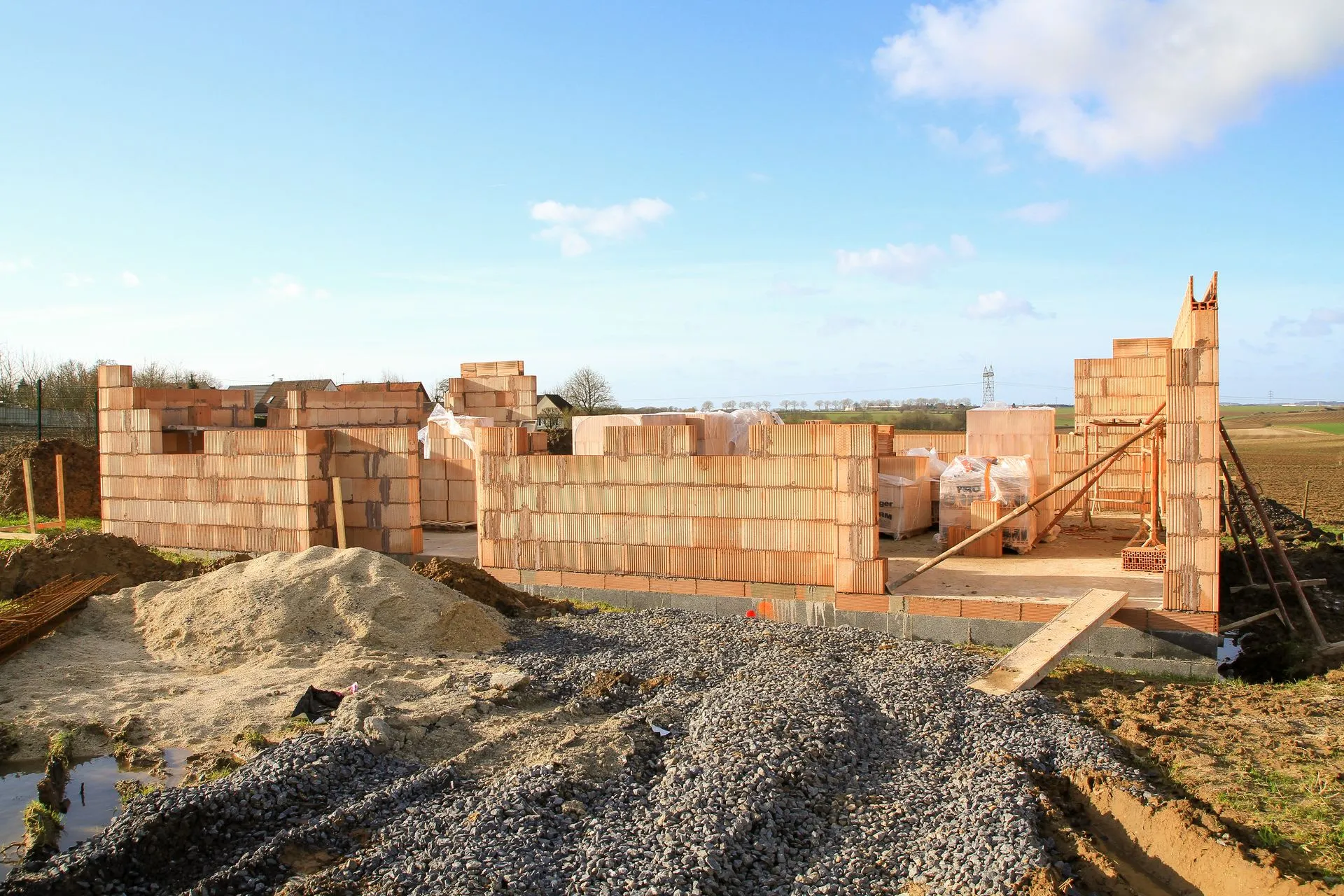
Planning a new home build in Priest River, ID? Discover key considerations, budgeting tips, and guidance from Integrity Construction Idaho. Call (208) 255-0464!
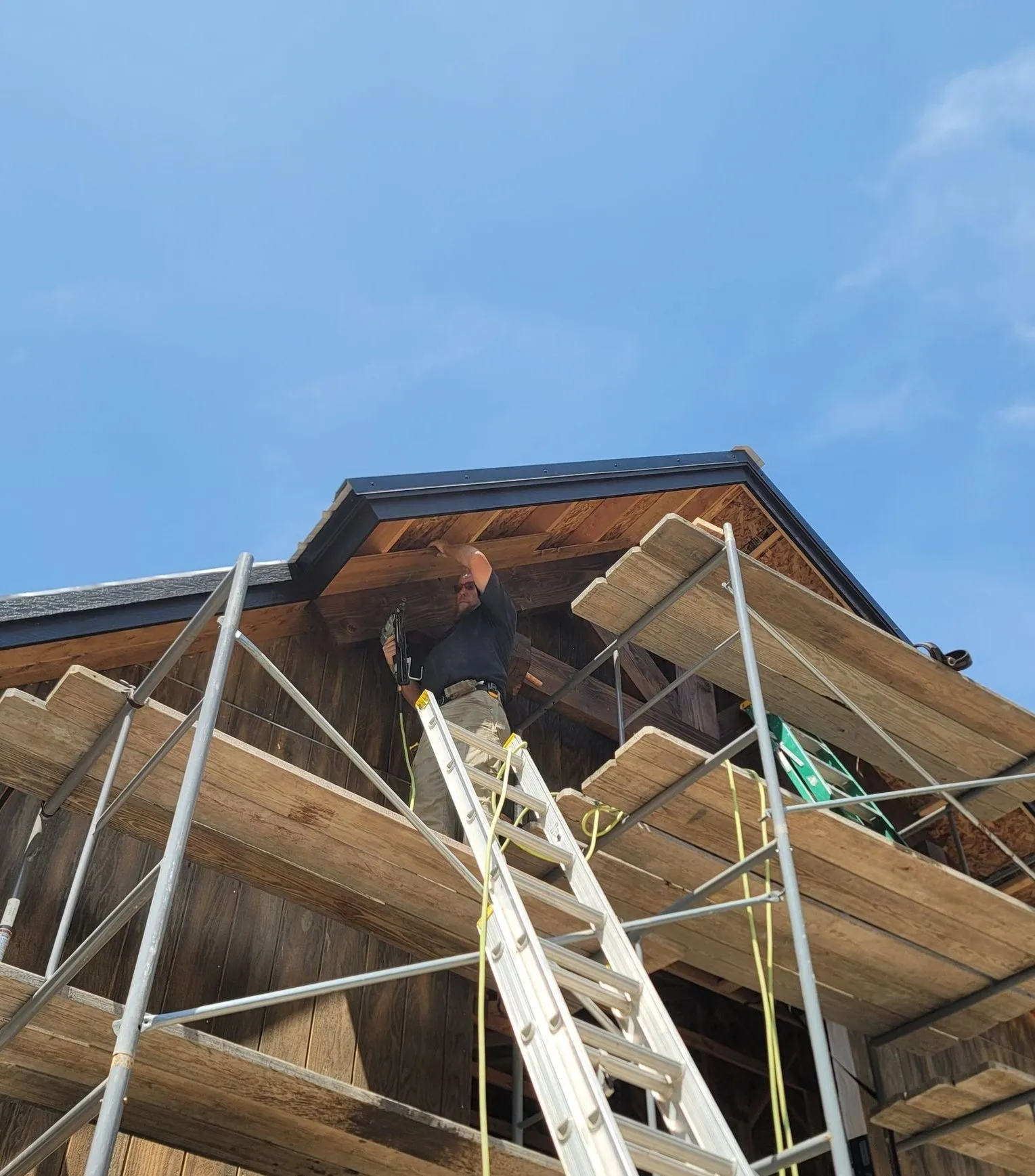
Discover what every Priest River homeowner should know about construction services. Call Integrity Construction Idaho at (208) 255-0464 for home & building solutions
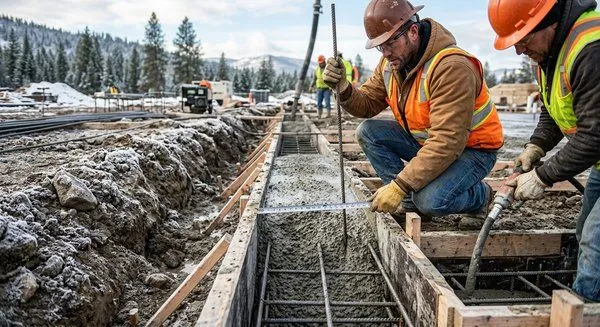
Planning custom home builds in Priest River? Learn what Northern Idaho terrain, climate, and 2026 laws mean for your project before you break ground.
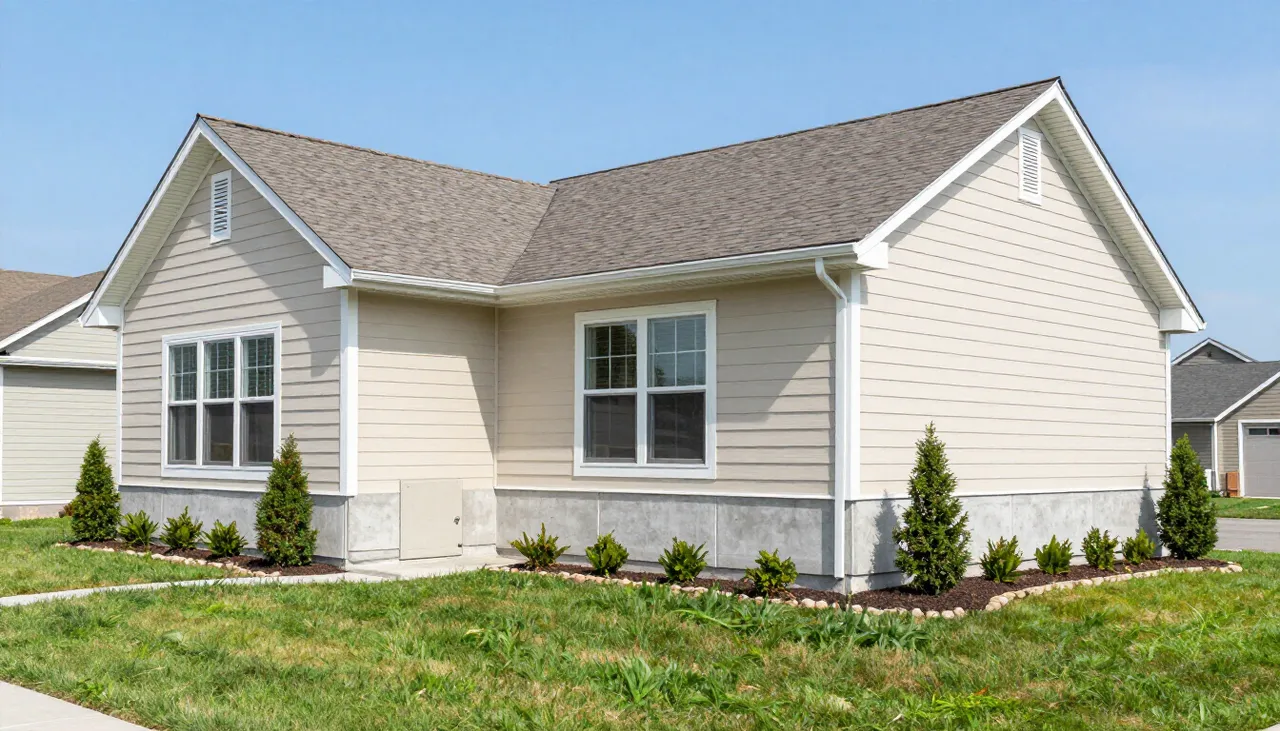
Learn what causes foundation cracks in Priest River, ID, when to seek repairs, and how professional foundation work helps protect your home!
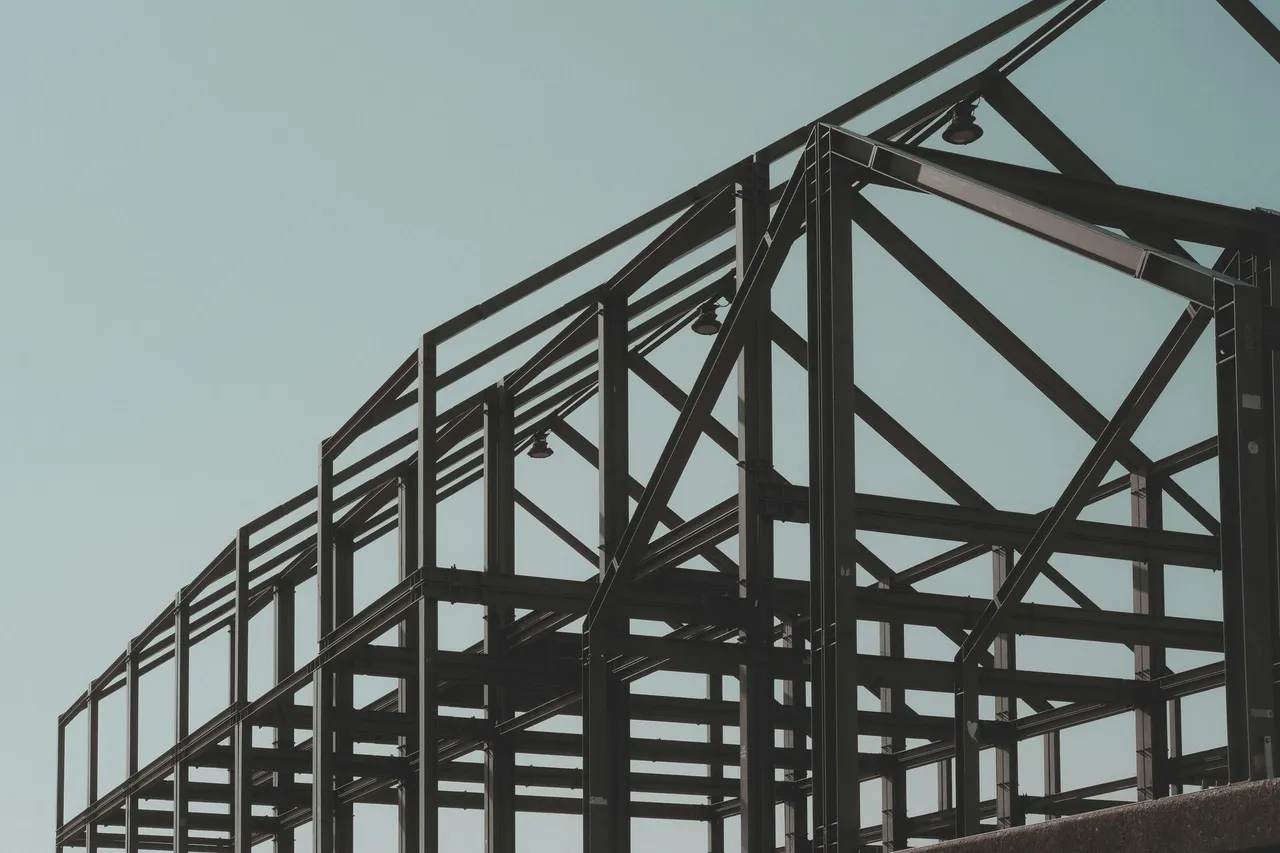
Discover the benefits of building a custom shop structure in Priest River, ID. Learn how a durable shop adds storage, functionality, and long-term property value.
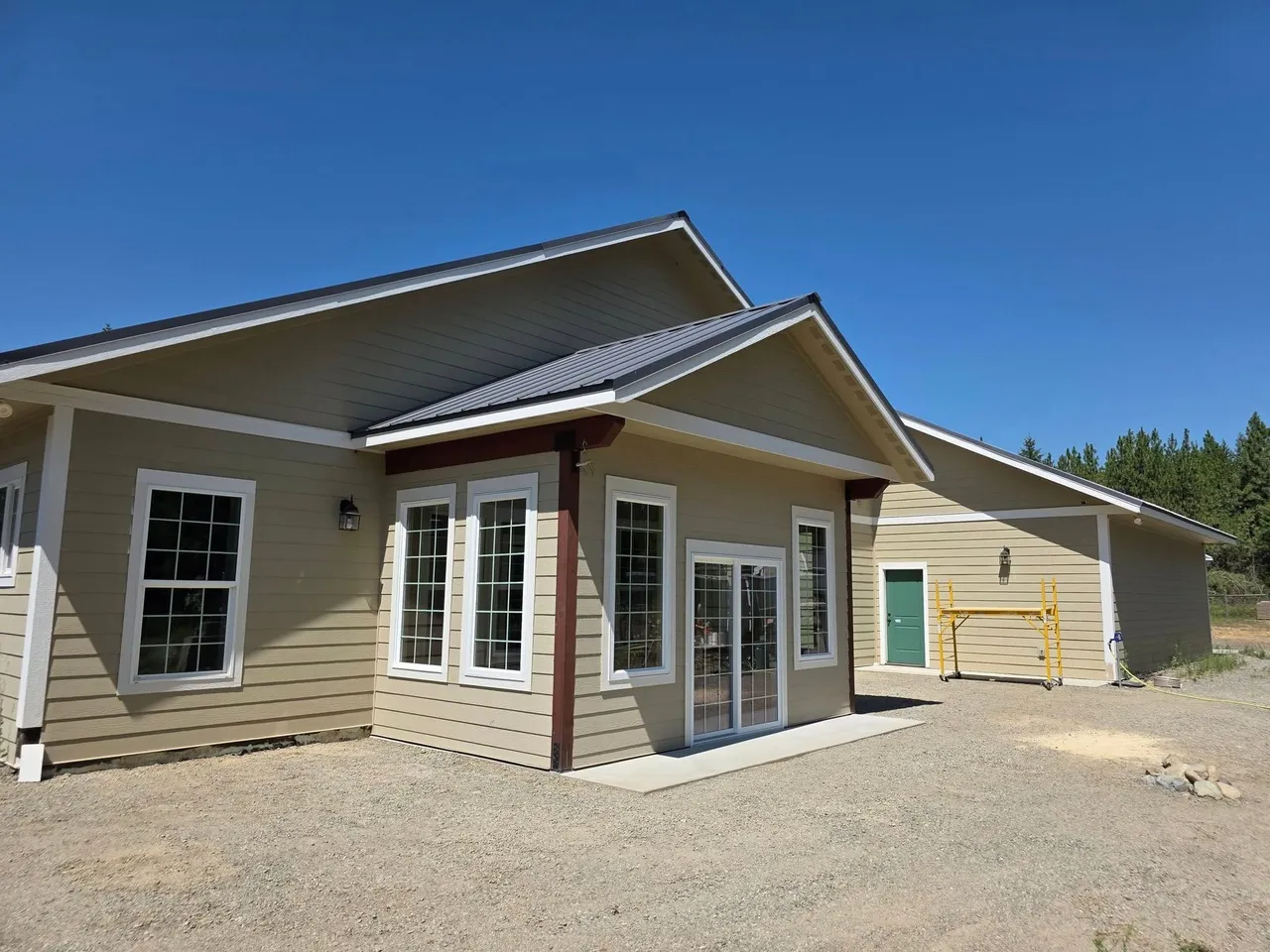
Plan your Priest River home remodeling project with ease. Get expert budgeting tips from Integrity Construction Idaho. Call (208) 255-0464 for a professional quote.
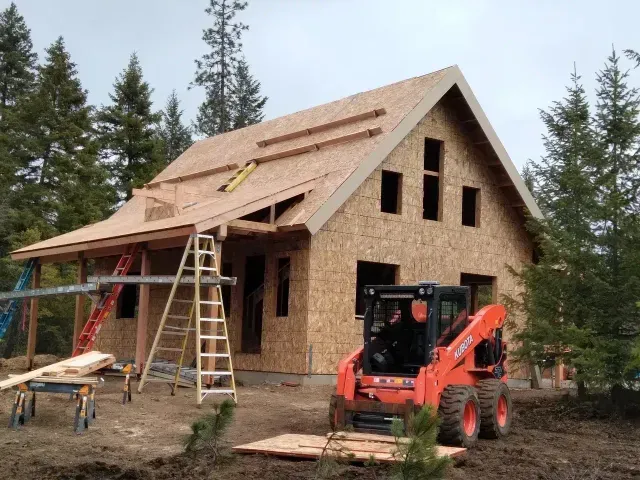
Discover what makes custom home builds unique in Priest River, Idaho, from personalized design to local craftsmanship with Integrity Construction Idaho!
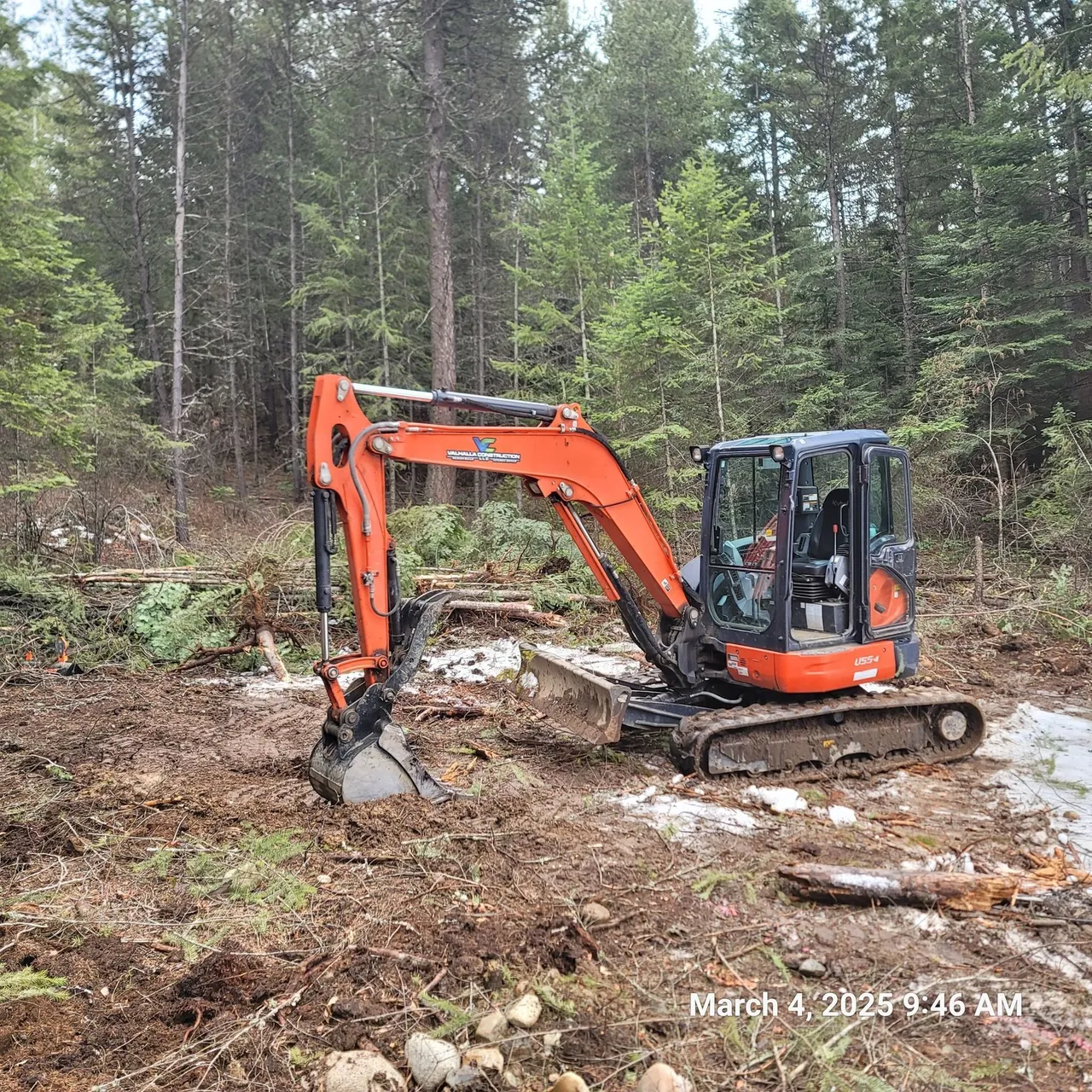
Learn how to prepare your land for a custom home build in Priest River, ID, including land clearing, excavation, and expert land preparation tips!
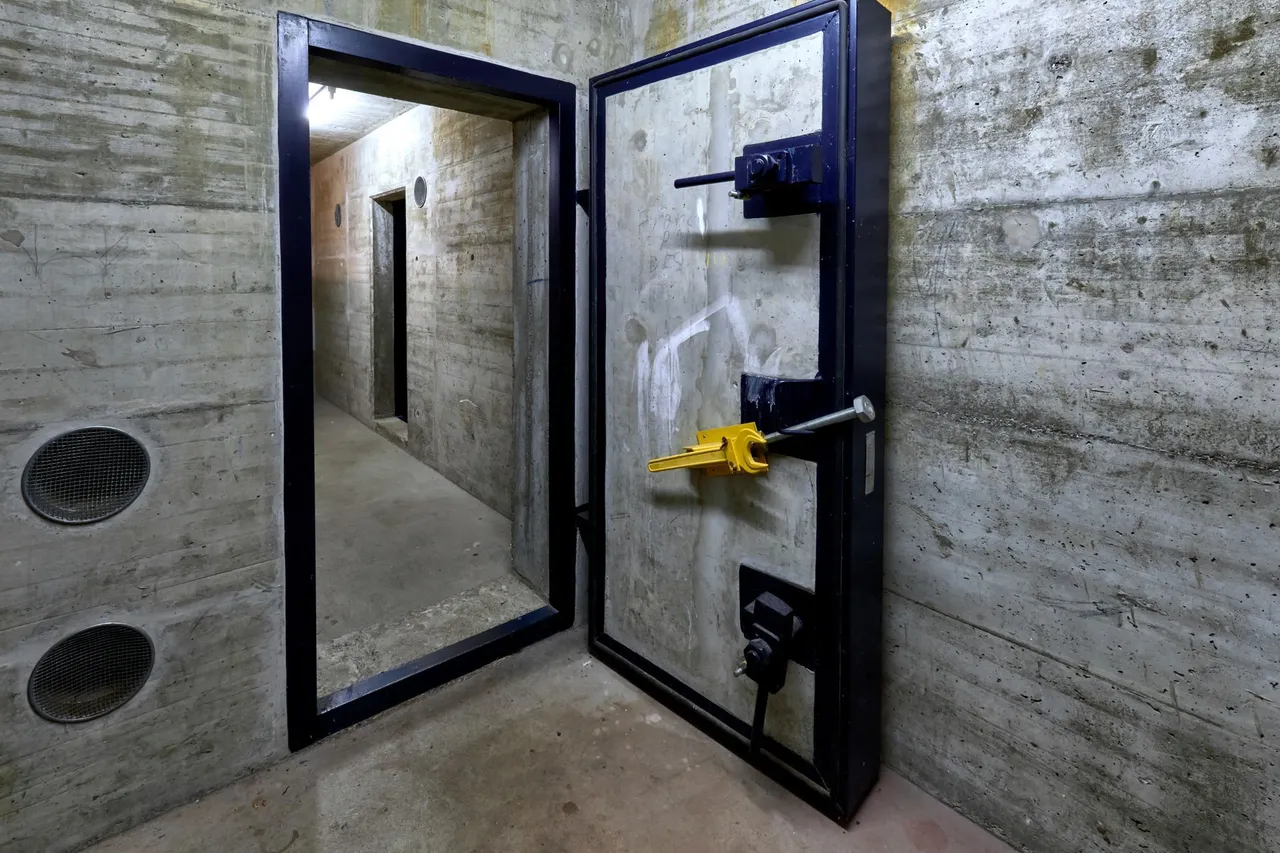
Protect your family with custom fallout shelters in Priest River, ID. Learn why professionally built fallout bunkers in ID offer long-term safety and peace of mind.
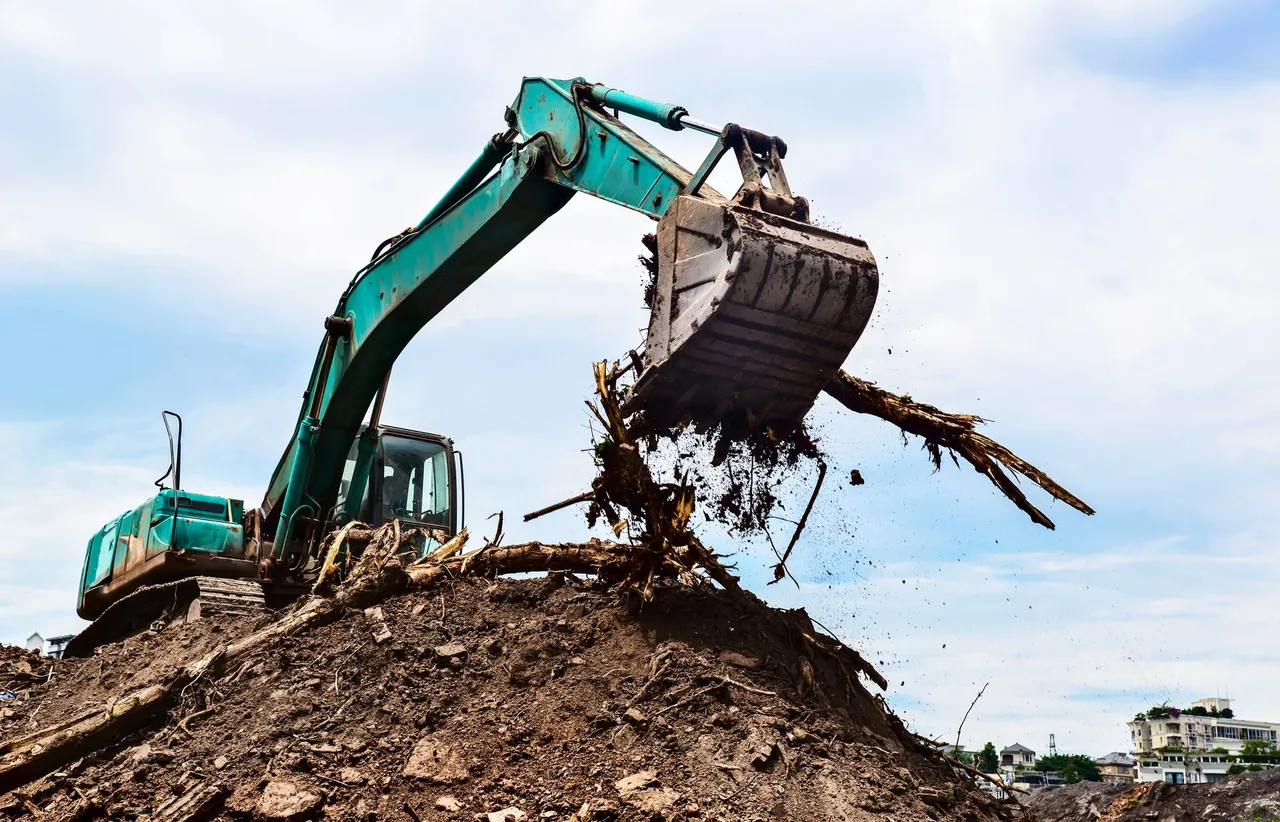
Ensure a strong foundation for your Priest River building project. Discover why professional excavation services in Idaho are essential for lasting results!
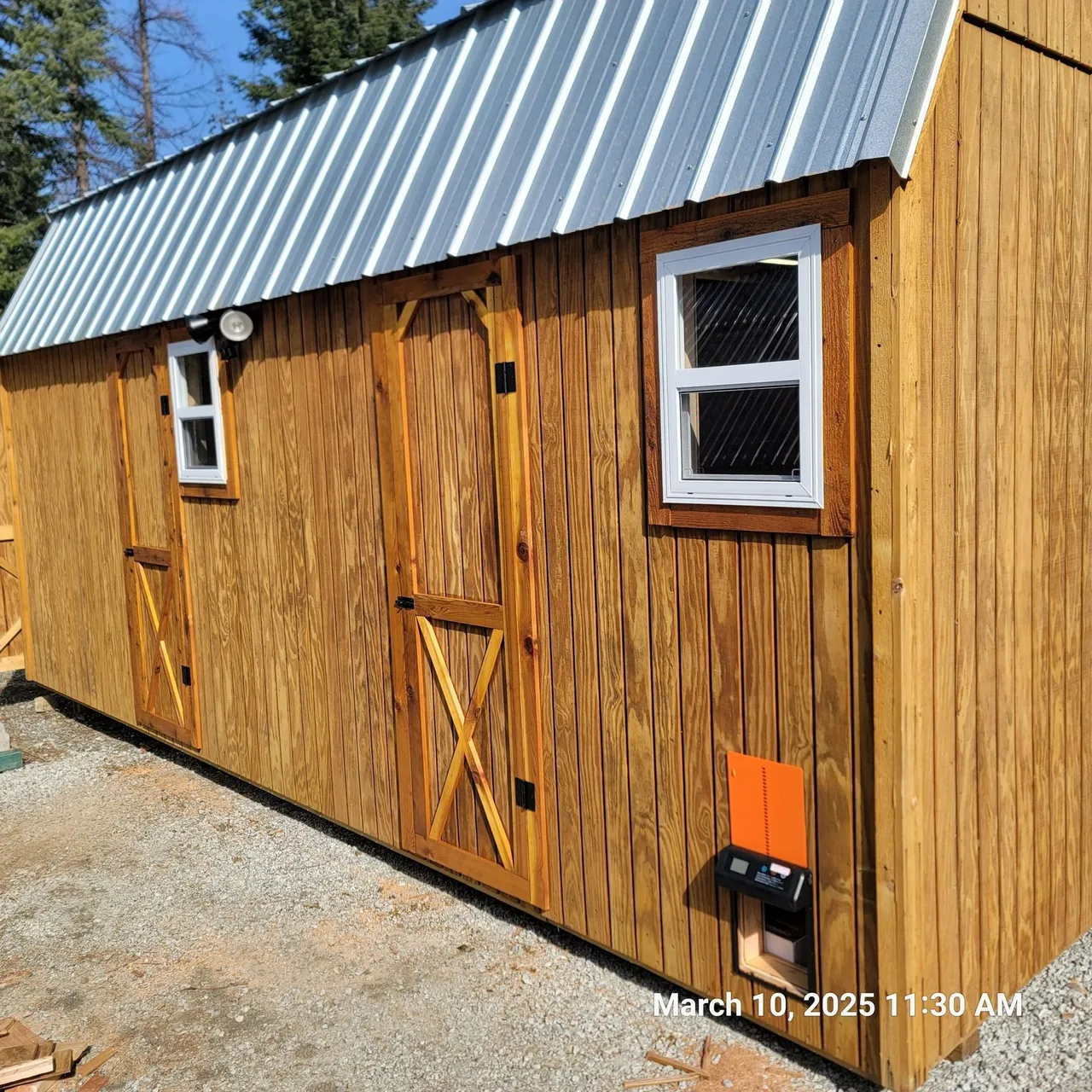
Discover why pole structures are gaining popularity in Priest River, ID. Learn their benefits & durability with Integrity Construction Idaho. Call (208) 255-0464!
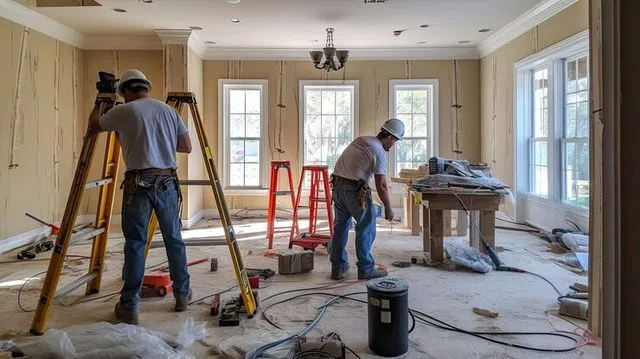
Modernize your older home in Priest River, ID with expert home remodeling by Integrity Construction Idaho. Call (208) 255-0464 for a consultation today.
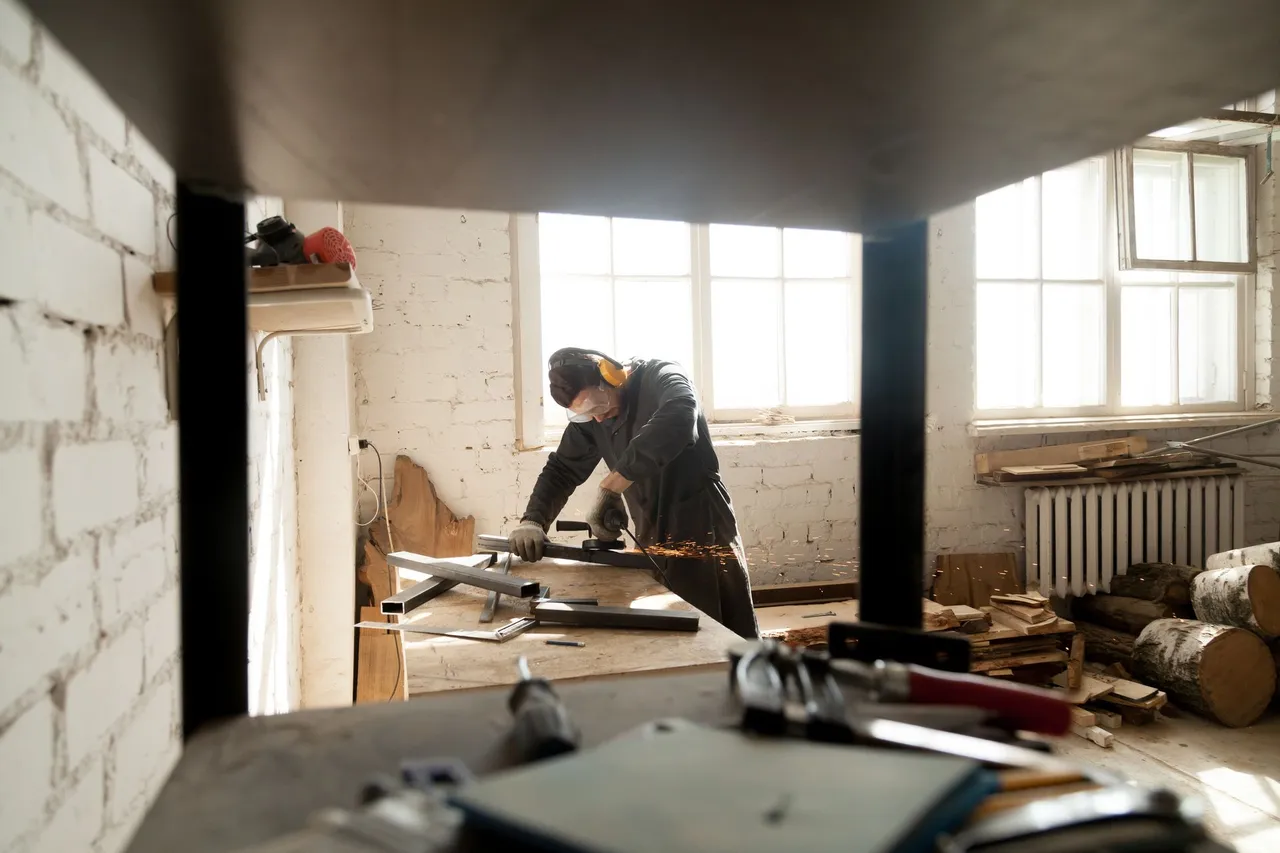
With Integrity Construction Idaho, your dream home remodel in Priest River is within reach. Let us help you turn your vision into a reality that you’ll enjoy!
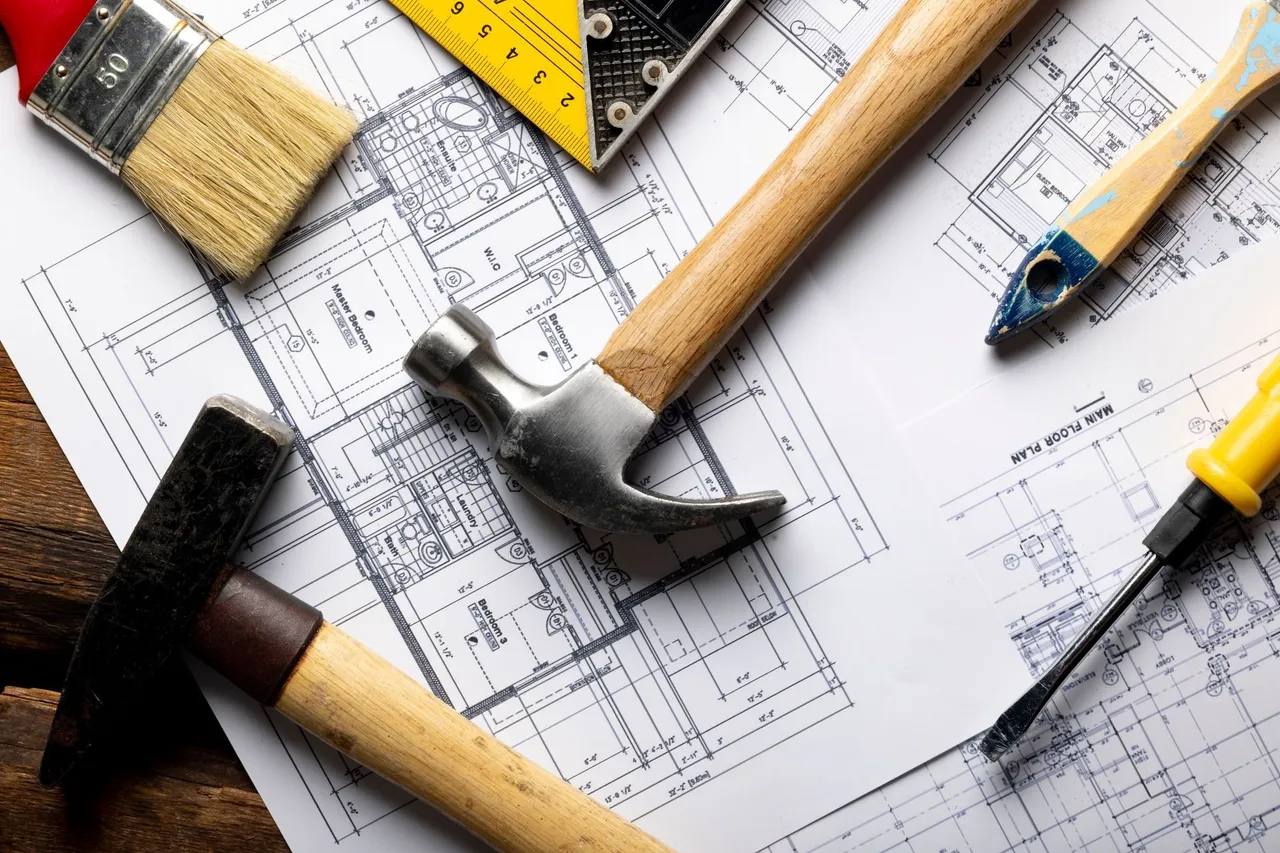
Discover the step-by-step process to build a custom home in Priest River, ID. Integrity Construction Idaho delivers custom home builds and construction services!
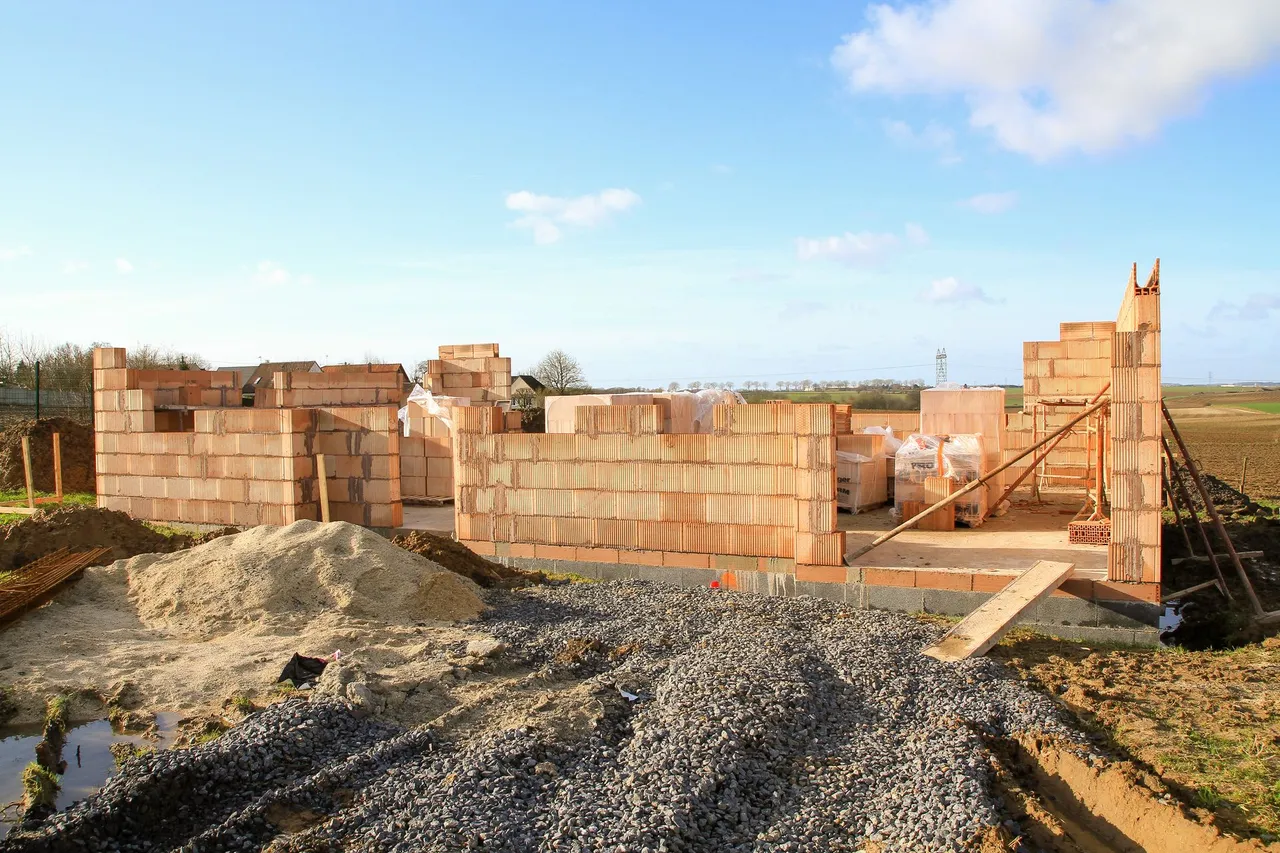
Planning a new home build in Priest River, ID? Discover key considerations, budgeting tips, and guidance from Integrity Construction Idaho. Call (208) 255-0464!
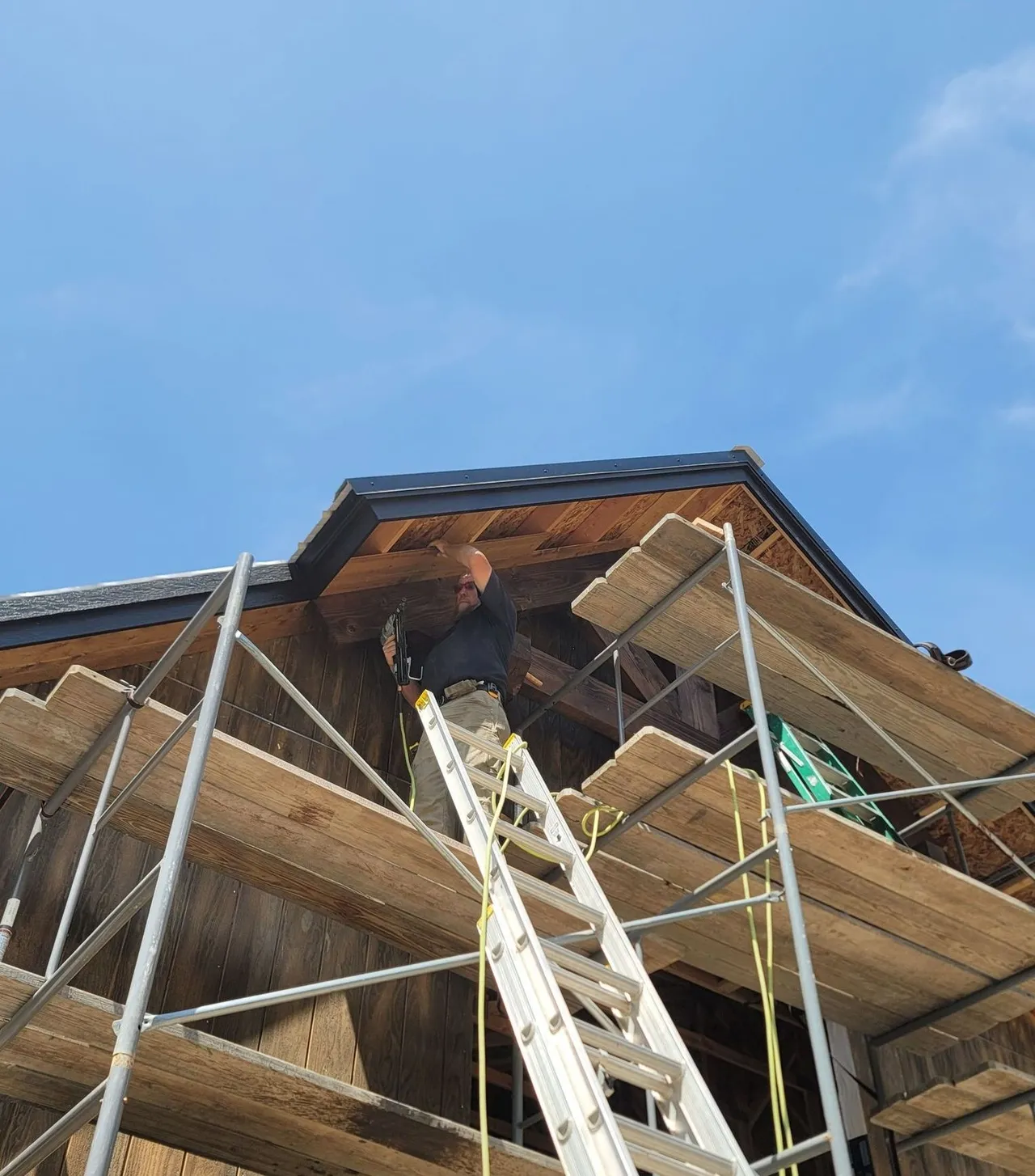
Discover what every Priest River homeowner should know about construction services. Call Integrity Construction Idaho at (208) 255-0464 for home & building solutions
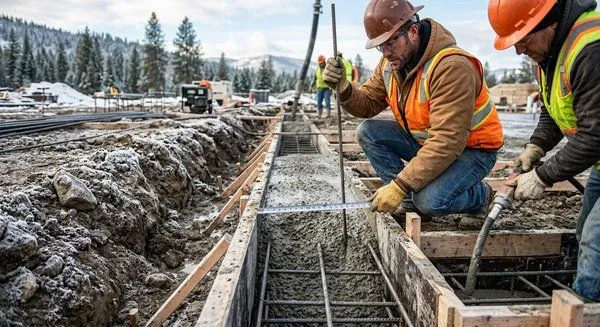
Planning custom home builds in Priest River? Learn what Northern Idaho terrain, climate, and 2026 laws mean for your project before you break ground.
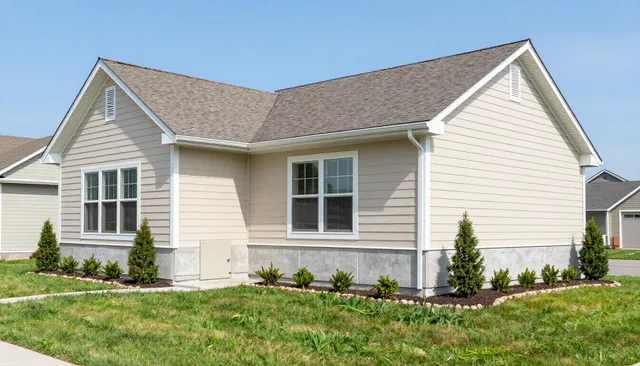
Learn what causes foundation cracks in Priest River, ID, when to seek repairs, and how professional foundation work helps protect your home!
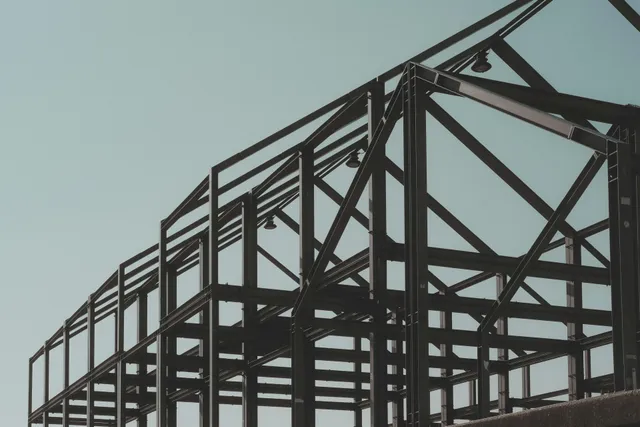
Discover the benefits of building a custom shop structure in Priest River, ID. Learn how a durable shop adds storage, functionality, and long-term property value.
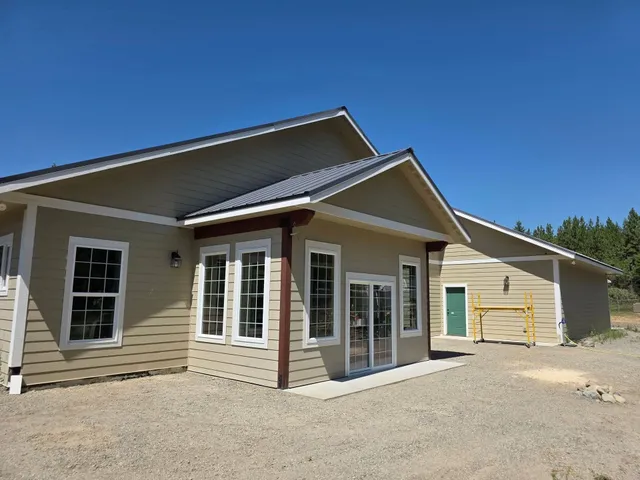
Plan your Priest River home remodeling project with ease. Get expert budgeting tips from Integrity Construction Idaho. Call (208) 255-0464 for a professional quote.
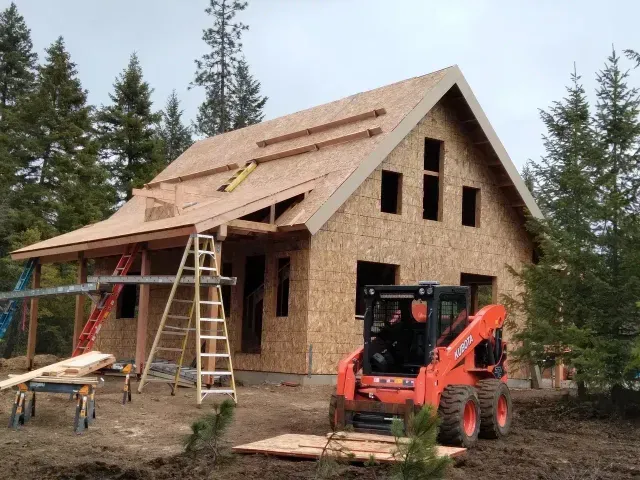
Discover what makes custom home builds unique in Priest River, Idaho, from personalized design to local craftsmanship with Integrity Construction Idaho!
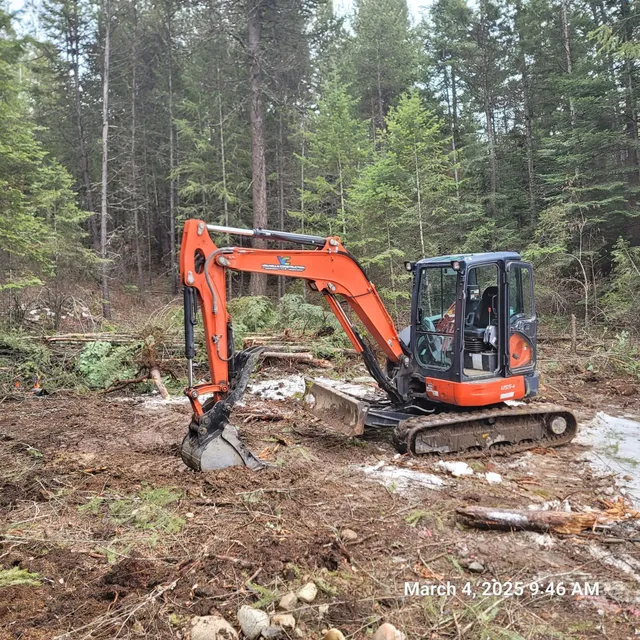
Learn how to prepare your land for a custom home build in Priest River, ID, including land clearing, excavation, and expert land preparation tips!
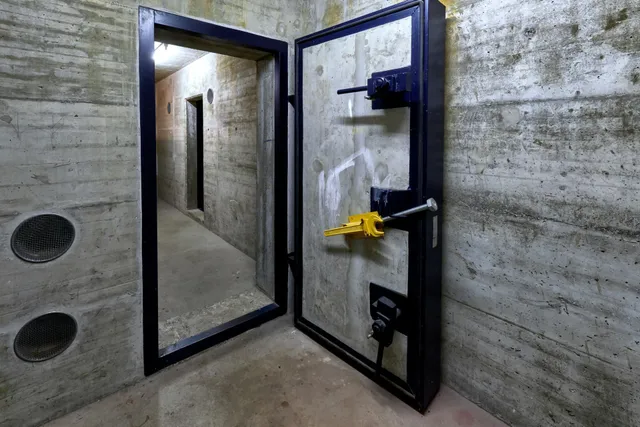
Protect your family with custom fallout shelters in Priest River, ID. Learn why professionally built fallout bunkers in ID offer long-term safety and peace of mind.
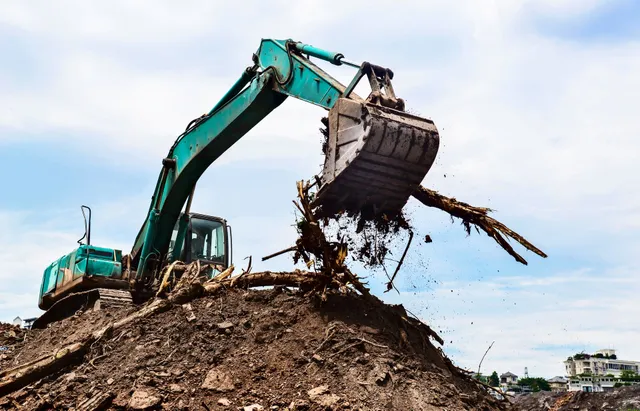
Ensure a strong foundation for your Priest River building project. Discover why professional excavation services in Idaho are essential for lasting results!
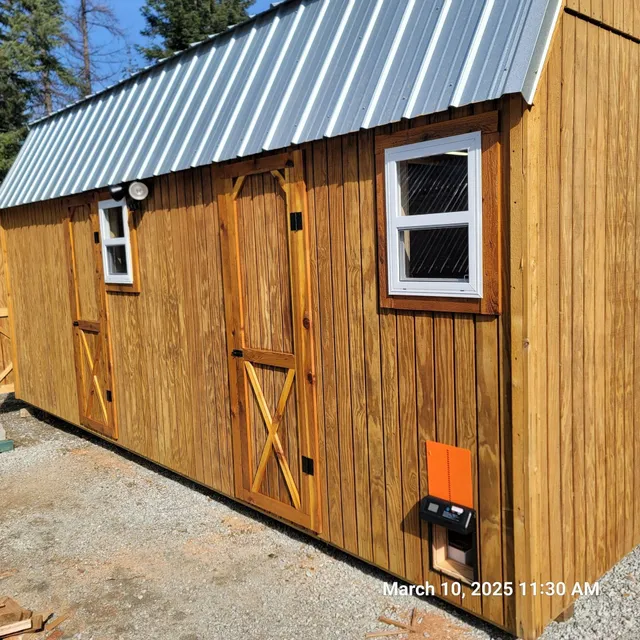
Discover why pole structures are gaining popularity in Priest River, ID. Learn their benefits & durability with Integrity Construction Idaho. Call (208) 255-0464!
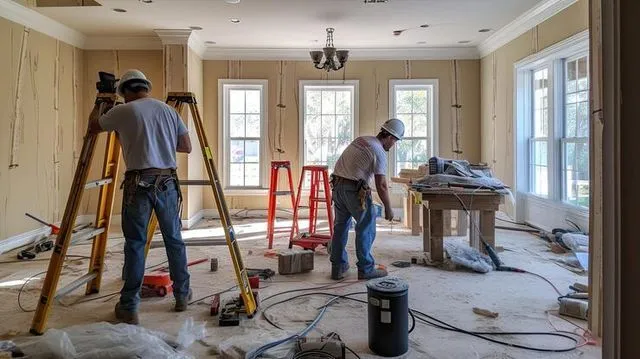
Modernize your older home in Priest River, ID with expert home remodeling by Integrity Construction Idaho. Call (208) 255-0464 for a consultation today.
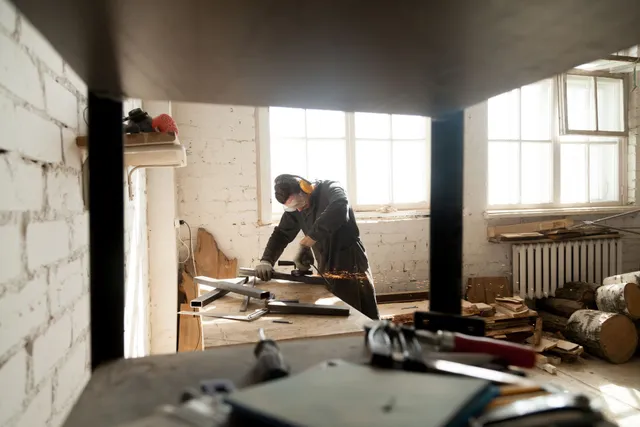
With Integrity Construction Idaho, your dream home remodel in Priest River is within reach. Let us help you turn your vision into a reality that you’ll enjoy!
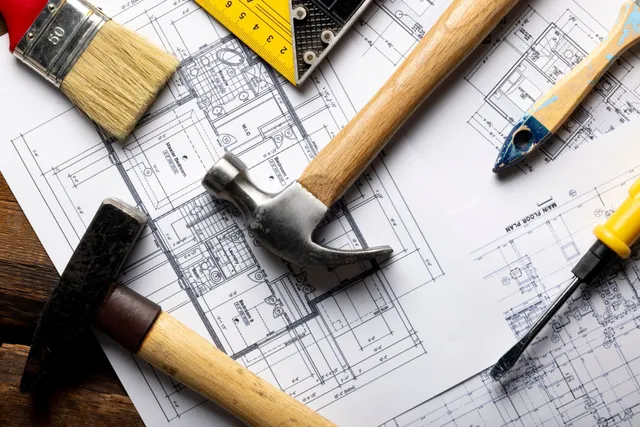
Discover the step-by-step process to build a custom home in Priest River, ID. Integrity Construction Idaho delivers custom home builds and construction services!
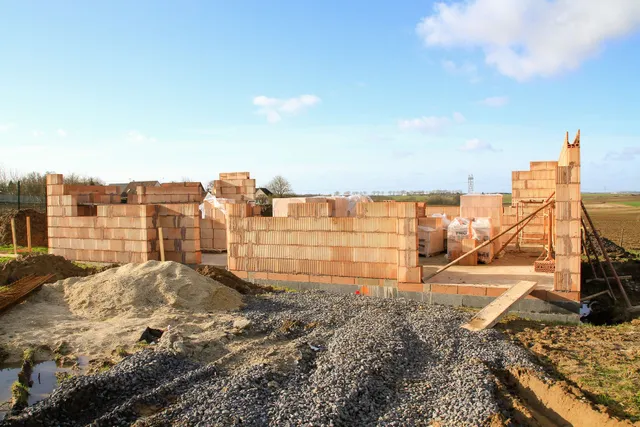
Planning a new home build in Priest River, ID? Discover key considerations, budgeting tips, and guidance from Integrity Construction Idaho. Call (208) 255-0464!
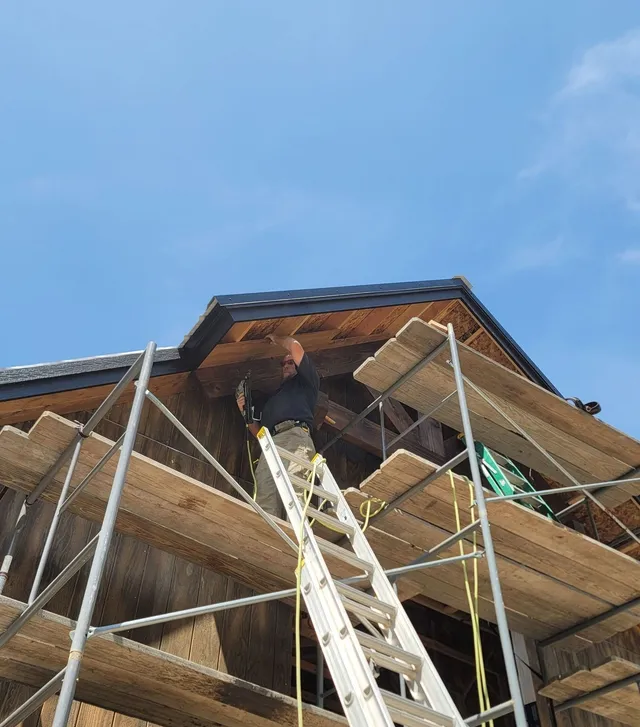
Discover what every Priest River homeowner should know about construction services. Call Integrity Construction Idaho at (208) 255-0464 for home & building solutions